
3 North Carolina Experts Weigh In On Keeping Copperhead Snakes Out Of Your Yard

It’s a fear for many of us. Especially if you live basically in the middle of the woods like I do. 3 North Carolina experts weigh in on keeping copperhead snakes out of your yard. This is good information because snakes are out and about and looking for love. Plus copperhead snakes love to feast on, you guessed it, cicadas. And Lord knows there are plenty of those around right now.
3 North Carolina Experts Weigh In On Keeping Copperhead Snakes Out Of Your Yard
While there is no sure fire way to keep snakes out of your yard. Here are a few tips that might help according to our source, the Charlotte Observer. 3 North Carolina experts weigh in on keeping copperhead snakes out of your yard. Make sure you keep your yard mowed regularly and keep yard debris clear as well. Snakes love them a good wood pile for a habitat. Copperhead snakes are our regions most abundant venomous snake.
Good Advice From People Who Know
The News and Observer of Raleigh asked a wildlife biologist with the NC Wildlife Resources Commission for some advice. Can you really get snakes out of your yard? Falyn Owens says you are most likely to encounter a snake if you have sufficient shelter and food for them. Eliminate that. And here is some very good advice. Owens says in the Charlotte Observer, “The best way to avoid an unpleasant encounter with a snake is keeping an eye open for them wherever there is suitable habitat, and giving any snake you do encounter plenty of space,”.
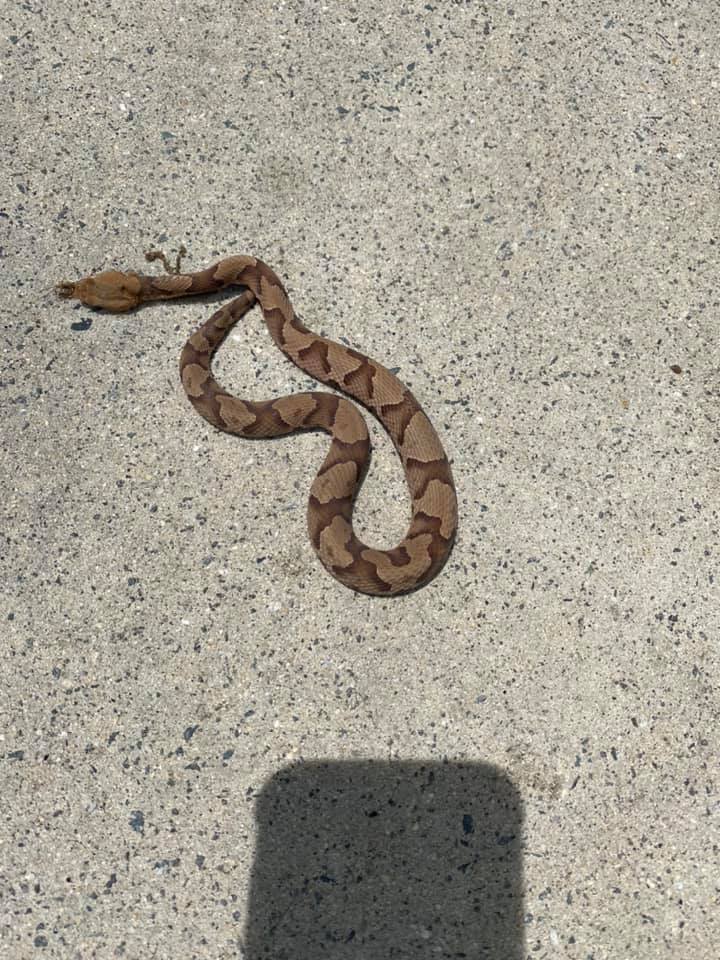
If you do encounter a snake and want to urge it along, gently but firmly spray the snake’s tail with a water hose. That’s according to the experts. Whatever you do, do not pick up or attempt to kill the snake. Many who people who get bitten have attempted to kill the snake. “Rest assured, if you do encounter one, it doesn’t want anything to do with you and just wants to be left alone,” according to Owens.
Here are a few “best practices” when trying to avoid snakes. Keep your eyes to the ground and watch where you step. Always wear gloves when doing yard work. And don’t forget to keep an eye on nosey pets in the yard. They tend to like to poke in areas where copperheads like to hide. And by the way, using a leaf blower really won’t scare them off. They will just seek the easiest shelter.
North Carolina has Six Venomous Snakes On Our Ultimate Snake List
Cottonmouth: Venomous Snake in North Carolina
Every year I see probably about ten of these lovely creatures. They make me jump out of my skin. This venomous snake is also called Water Moccasin. This is the most common venomous snake out of the six. It is found literally everywhere throughout North Carolina. The bites for these bad boys are he bites are pretty painful, but deaths from copperhead bites are extremely rare. You can see more on this snake here.

The Longest Snake in the World
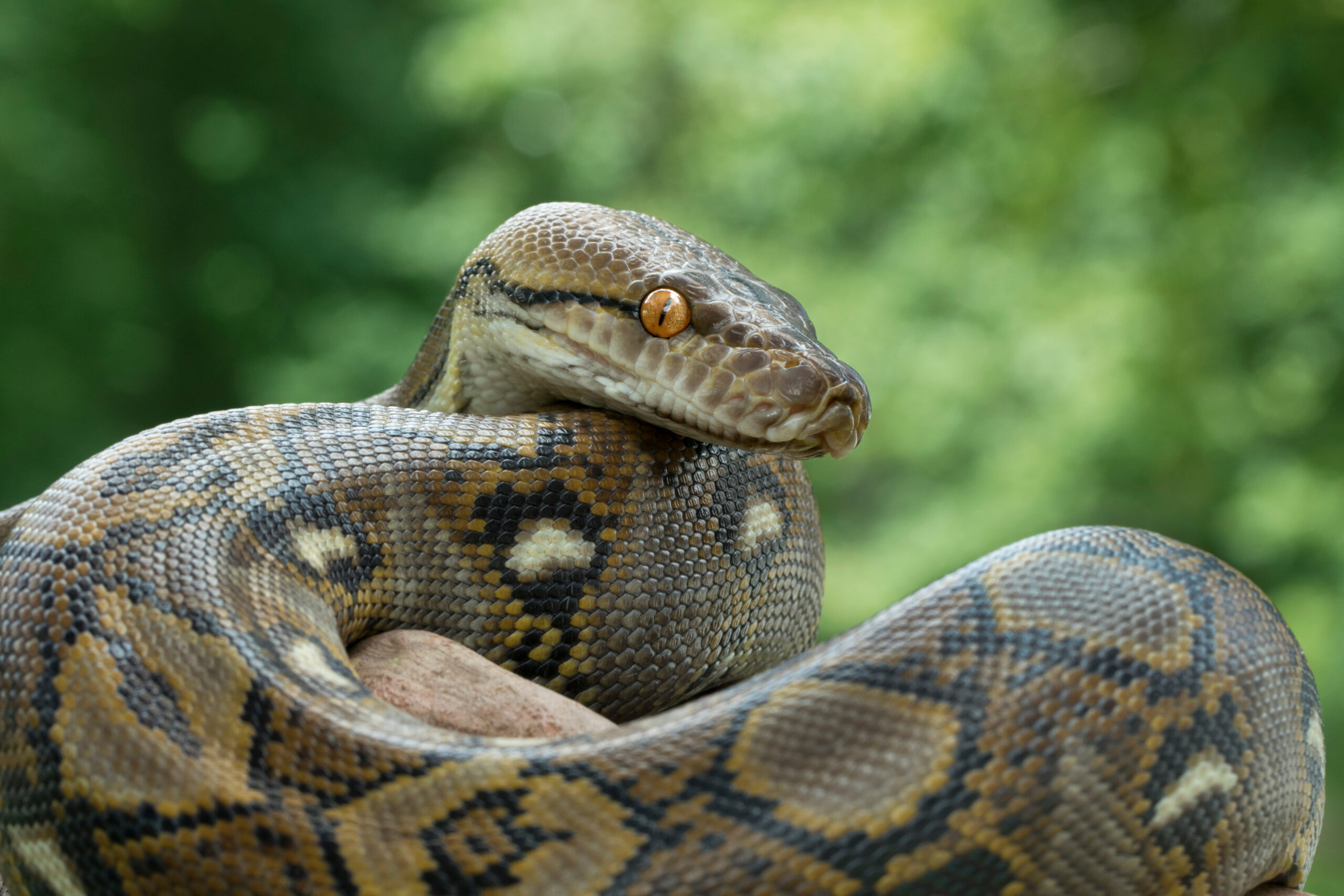
This is a worthwhile one if you like snakes. The average length of a reticulated python is 20 feet. That’s the length of two basketball hoops! These snakes are found in southeast Asia. The habitat preferences of these animals appear to depend on their location, but they enjoy rainforests, woodlands, and grasslands. You can see more on this snake here.
Eastern Coral Snake: Venomous Snake in North Carolina
Though I love the colors, I wouldn’t get close to them! The Eastern Coral Snake is often referred to as the candy stick snake. It is normally the most misidentified snake found in North Carolina. In the southern Coastal Plain from North Carolina to Louisiana, including Florida, the eastern coral snake is scattered. Throughout their range, they can be found grazing in areas of scrub oak sandhills and pine Flatwoods that flood seasonally. You can’t legally kill the Eastern Coral Snake due to their endangered status. You can see more on this snake here.

Eastern Diamondback Rattlesnake: Venomous Snake in North Carolina
Just seeing photos of this snake gives me nightmares. Eastern Diamondback Rattlesnake is the largest and perhaps the most dangerous species of rattlesnake in the world. The backs of these heavy-bodied pitvipers are covered with black diamond patterns outlined in dark diamonds. In North Carolina, diamondbacks are usually found in sandy pine Flatwoods in the southeastern Coastal Plain. You can’t legally kill the Eastern Diamondback Rattlesnake due to their endangered status. You can see more on this snake here.

The Heaviest Snake in the World
Wow! The heaviest snake in the world is the green anaconda. They can reach up to 220 pounds and 16 feet in length. A native of South America, the green anaconda inhabits swamps, marshes, and streams. These snakes are nonvenomous. You can see more on this snake here.

Copperhead: Venomous Snake in North Carolina
Do you often see these? I sure do. Most North Carolinians know at least the name of the copperhead. Copperheads are typically between two and three feet long, with a fairly heavy body. North Carolina is home to the most common and widespread venomous snake, the copperhead. You can see more on this snake here.

Pigmy Rattlesnake: Venomous Snake in North Carolina
They’re kind of cute, aren’t they? Pigmy Rattlesnakes are also venomous snakes in North Carolina. In the United States, pigmy rattlesnakes are the smallest species of rattlesnake. Snakes that live in this region usually have dull gray bodies with a row of dark spots running down the center of their backs. In North Carolina, pigmy rattlers are found in pine Flatwoods and scrub oak habitats in the southeastern Coastal Plain and the Sandhills. They have been found at Crowder’s Mountain State Park in Gaston County. You can see more on this snake here.

Timber Rattlesnake: Venomous Snake in North Carolina
Rattlesnakes of this species are large and heavy-bodied, with dark bands or chevrons protruding from their bodies. They are most commonly found in mountains and coastal plains. One of the most impressive things about this snake is the fact that it can strike up to 1/3 to 1/2 of its body length. I am not a fan of this snake. You can see more on this snake here.

